Trauma & Crisis
AboutTraumatic injuries can result from exposure to death, severe injury, sexual violence, or deprivation of basic needs, like love, protection, support, and love, which may occur directly to a person or through witnessing the event, indirectly, or via repeated exposure to distressing details. The effects of trauma vary among individuals and populations, manifesting in diverse ways and significantly impacting survivors.
During a traumatic event, the brain is automatically engaged to ensure we survive. This same process that protects us can also be responsible for a cycle of recurring traumatic memory and a “reliving” of the past event.
Traumatic incidents can profoundly affect cognitive, emotional, and physical functioning. Trauma-informed therapy is a framework designed to acknowledge and address the impact of traumatic experiences on individuals' lives. Trauma and crisis treatment involves specialized, evidence-based care to stabilize individuals experiencing acute distress or long-term PTSD. Effective models blend immediate psychological first aid with therapies like EMDR and Trauma-Focused CBT to help the brain process the event, reduce flashbacks, and restore healthy functioning. (National Institute of Health 2024)
Healthcare professionals should understand the manifestations and effects of trauma, as approximately 70% of people encounter trauma at some point in their lives.
Healthcare practitioners can help to improve patients’ lives by identifying traumatic symptoms and developing a comprehensive understanding of how trauma affects individuals and communities. Trauma-informed therapy focuses on recognizing trauma symptoms and understanding their root causes. The therapy provides a safe and supportive environment for clients, addressing their individual experiences and needs and fostering healing and resilience.
Our Team Members
Specialists in a variety of service areas

John Jankord

Jessie Brown

Michelle Hunt-Graham

Aysem Senyurekli
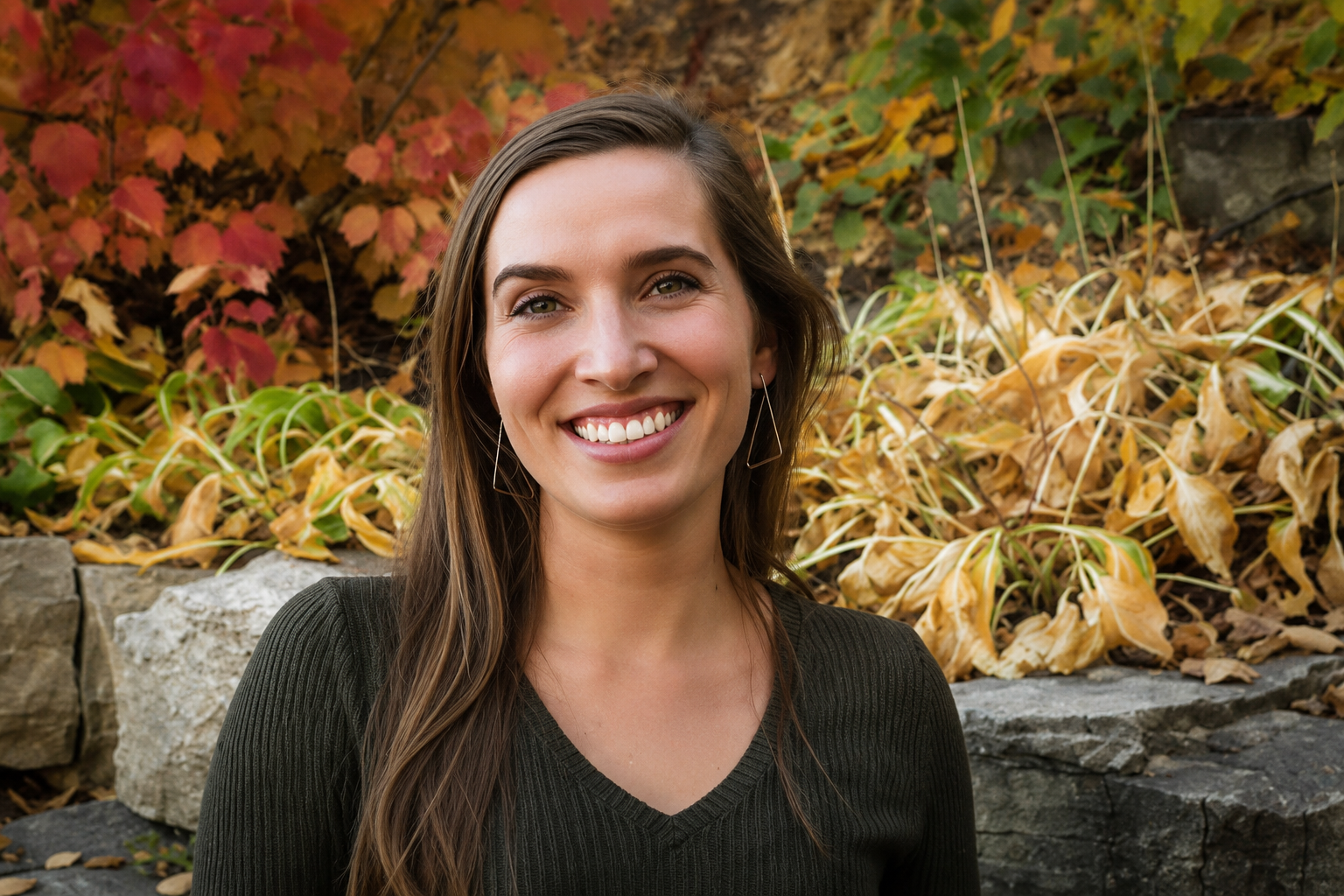
Megan Lauinger

Meredith Hyduke Dehn

Samantha Waldron

Michelle Craveiro

Natalie Nicolson

Libby Marx

Randi Born
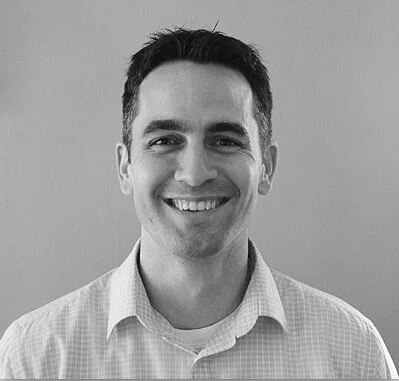
Jake Voelker

Tyra Hughes

Kate Schmidt
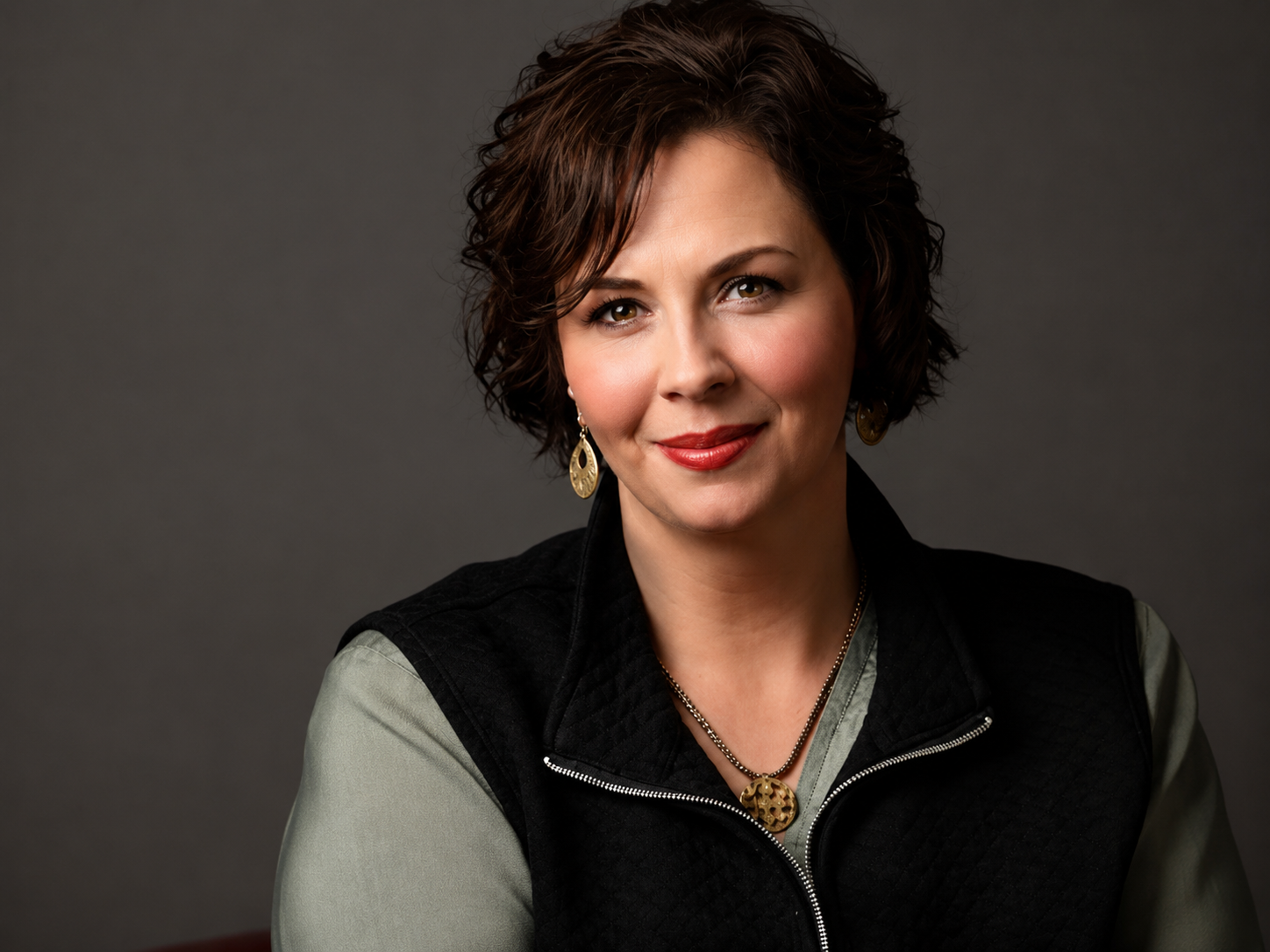
Maureen Trefethren