Play Therapy
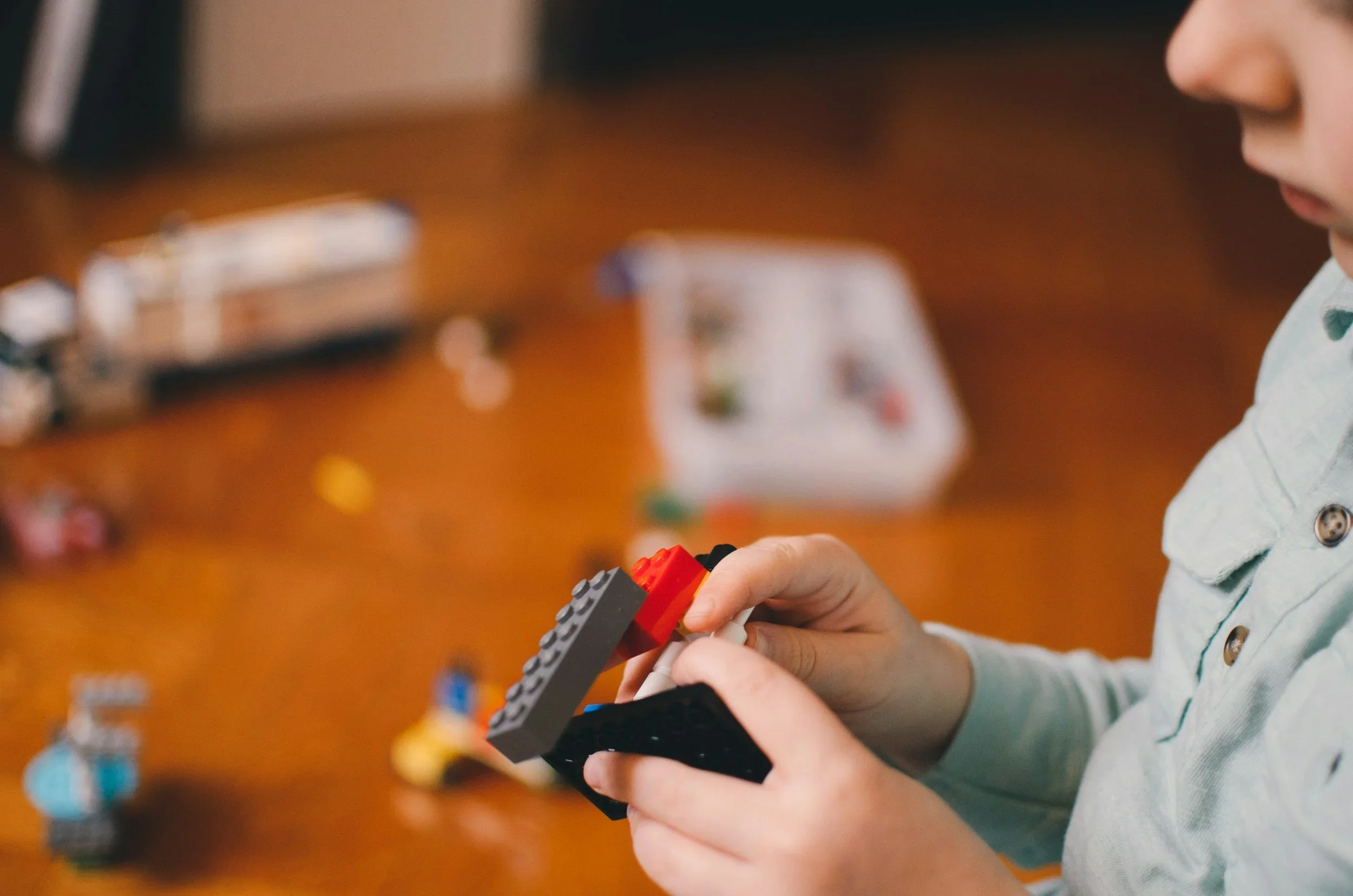
About Play Therapy & My Virtual ModelPlay therapy is time-tested and a gold standard for psychotherapy with youth. It’s established that children learn through play-based experiences and pretending. Children seek to play and act out conscious and unconscious ideas and memories to process, as adults can with words. Play as a modality supports imagination, emotional intelligence, and rationalizing. The emergence of video games forever changed the concept of play therapy. Today’s children can usually play with both analog and digital-based toys and games. Virtual play through video technology is now an everyday reality of growing up and socialization. It’s my professional mission to support modern children and neurodivergent individuals in finding therapeutic uses for the intersection of technology and play, fostering self-expression.
My treatment model is a proprietary form of play therapy that uses video games to tailor and enhance the personal experience. The technology itself provides nearly unlimited scenarios to meet various individual needs in play. It also enables me, as the therapist, to incorporate drama therapy and improvisation to build connections with patients. I often find that the heightened focus generated by virtual play creates new learning opportunities. I offer one of the most engaging, colorful, and innovative therapies available. I adopt a responsible approach that does not sensationalize technology but instead leverages its best features to foster active listening and support treatment goals. Parents are encouraged to request moderation or abstinence from video games outside of therapy. Finally, I provide simple instructions for parents or neurodivergent adults to set up and play multiple games.
Please watch this brief example video to see how virtual play can look in action with a real game. It’s only an example of the mental health potential when playing through technology. Real therapy, as a long-term investment, encompasses therapeutic conversations and a connection that examples cannot fully replicate.
Typical PatientsSupport with Personal/Family Growth:
Insight into Self-Awareness & Agency: Introspection, Personal Identity/Worth, Somatic Awareness, Breathing, Self-Esteem, Mindful Awareness, Movement.
Social/Emotional: Emotional Regulation, Emotional Empathy, Friendship, Dating Situations, Teamwork/Cooperation.
Decision-Making: Responsibility, Confidence, Perception, Problem-Solving, Values, Goals, Adaptability, Independence, & Leadership; Intentional Rest.
Executive Functioning: Focus & Attention Exercises, Organization, Tasks & Projects, Time Management, Learning or Memory Techniques.
Effective Communication: Social Psychology, Actively Listening, Limits/Boundaries, Setting Expectations; Conditional Relationships.
Support with Personal/Family Problems:
Emotional Repression or Obsession
Ineffective Discipline
Bullying
Exclusion/Gossip
Automatic Negative Thoughts
Excessive Comparisons
Obsessions/Compulsions
504 plans & IEPs
Excessive Screen Usage
Excessive Risk-Taking
Excessive Manipulation or Lying
Organization/Motivation Difficulties
Adjusting to Divorce or Parent Separation
Our Team Members
Specialists in this area of services